
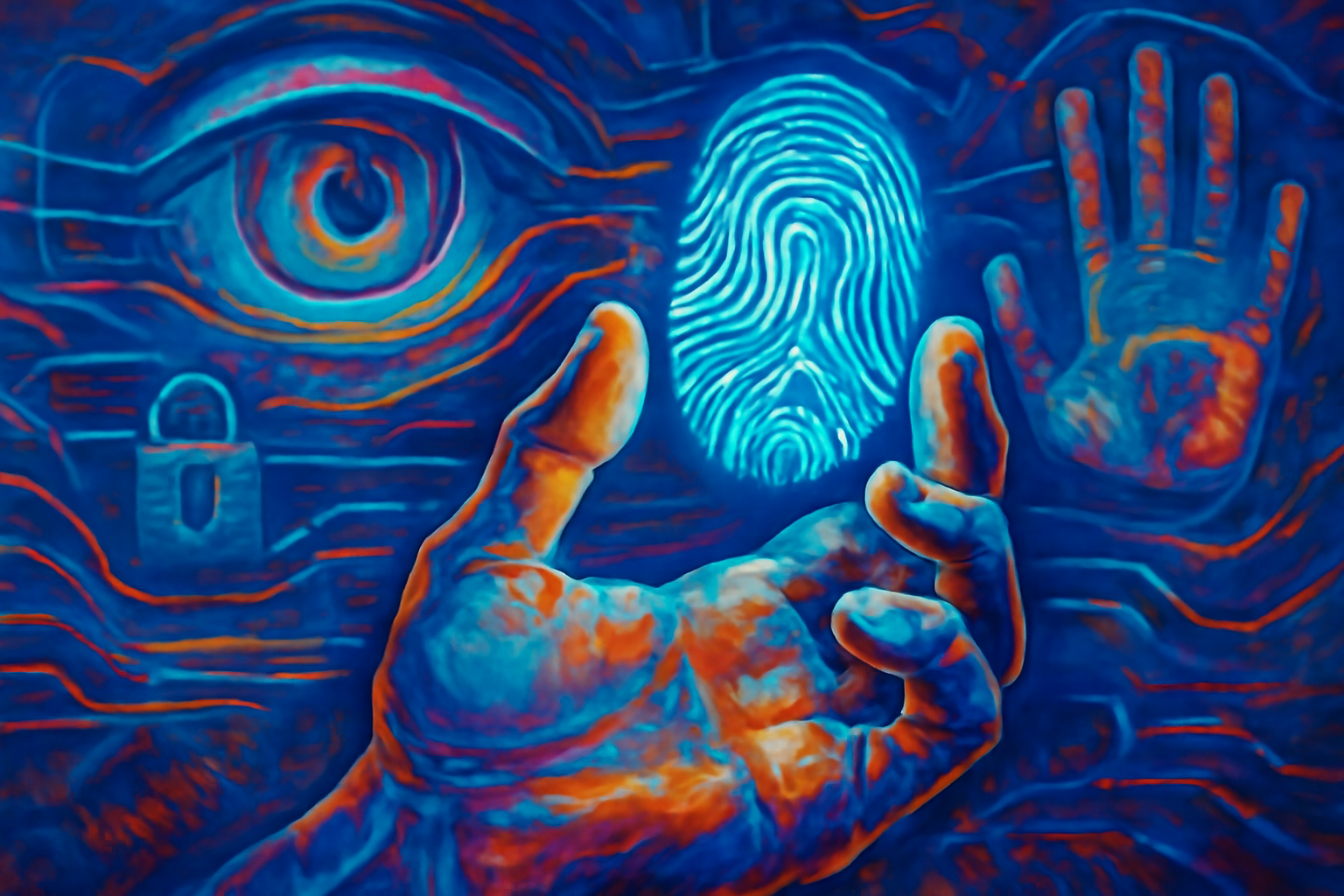
Biometric payments utilize the unique physical or behavioral characteristics of individuals for identity verification and transaction authorization, offering a heightened level of security underpinned by the difficulty in replicating biometric features. The security of biometric payments is primarily rooted in their biometric data encryption, secure storage, and authentication protocols.
Biometric systems commonly include fingerprint recognition, facial recognition, iris scanning, and voice recognition. These systems not only streamline the verification process but also enhance security at multiple stages of a transaction by ensuring that the person attempting the transaction is physically present and is who they claim to be.
To maintain security, biometric data is typically transformed into a digital template utilizing algorithms, rather than storing the raw biometric data itself. This template is then encrypted and stored either locally on a device or on a secure server. This approach minimizes the risk of biometric theft because the templates cannot be reverse-engineered into the original biometric data.
Secured data transmission protocols are used to safeguard biometric data during transactions. Transmission often involves cryptographic techniques such as symmetric or asymmetric encryption to prevent interception by malicious actors. Additionally, multifactor authentication systems are sometimes integrated to add another layer of verification, combining biometrics with other factors such as passwords or PINs.
Despite the enhanced security these systems offer, challenges persist. Issues related to privacy, data breaches, and trusting third-party vendors for data storage and processing must be addressed with robust legal frameworks and industry standards. Ensuring compliance with regulations such as the GDPR or other local privacy laws is critical for both consumer protection and trust.
Continued advancements in machine learning and artificial intelligence are expected to further improve the accuracy and security of biometric technologies, reducing false acceptance and rejection rates and enhancing liveness detection to prevent spoofing attempts. The integration of blockchain for secure data management and sharing also holds potential to further enhance security frameworks surrounding biometric payments.